Dibba Hospital launches ‘Smart Sleep Lab’ to enhance diagnostic accuracy for sleep disorders
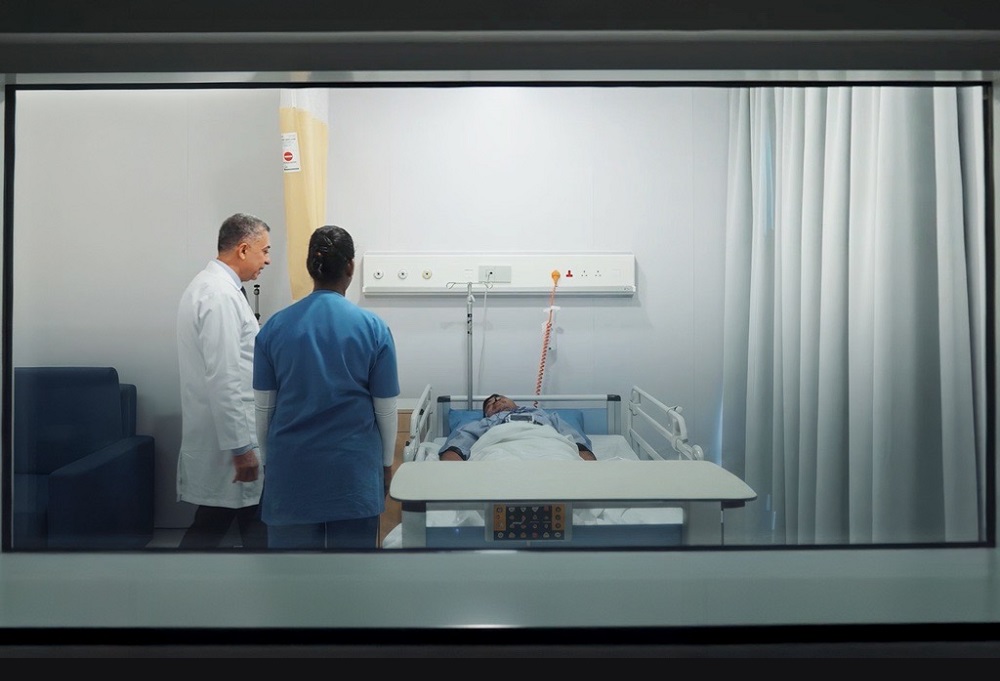
Dibba Hospital in Fujairah, a facility affiliated with Emirates Health Services (EHS), has launched a ‘Smart Sleep Lab’ equipped with advanced technologies to diagnose sleep disorders according to the highest international standards.
The initiative forms part of EHS’s commitment to advancing the healthcare system by embracing digital transformation, innovation, and the latest medical technologies. It contributes to elevating the quality of specialised services, improving patient experience, and enhancing quality of life for the community.
Wedad Al Fard, Director of Dibba Hospital in Fujairah, affirmed that launching the ‘Smart Sleep Lab’ was made possible by the immense support and guidance received from EHS, which aligns with its commitment to enhancing readiness across its health facilities, equipping them with the latest medical solutions and smart technologies, and playing its part in fulfilling the UAE’s vision to develop a sustainable, innovation-driven healthcare system.
“The Lab marks a significant leap forward in the quality of specialised services we provide at Dibba Hospital,” Al Fard added. “It enables us to create an environment that closely simulates natural sleep conditions, thereby supporting diagnostic accuracy and improving patient experience. To do so, we rely on the use of automation systems and digital technologies to provide more efficient and high-quality healthcare.”
For his part, Dr Wameedh Al Bassam, ENT Consultant at Dibba Hospital, explained that the ‘Smart Sleep Lab’ receives patients referred from the Sleep Medicine Clinic for specialised diagnostic studies. Its services benefit patients suffering from various sleep disorders, he noted, citing obstructive sleep apnoea, chronic snoring, and repeated breathing interruptions during sleep as notable examples.
Early diagnosis of these conditions reduces the risk of cardiovascular diseases, high blood pressure, and numerous respiratory complications, Dr Al Bassam added, explaining that it also helps diabetic patients improve blood sugar control, given the strong link between untreated sleep disorders and difficulty in managing the disease. This, he affirmed, positively impacts health outcomes and patients’ quality of life.
The ‘Smart Sleep Lab’ has been outfitted according to the highest approved quality standards, featuring advanced systems that ensure complete sound insulation and minimise noise and external disturbances, thus providing a quiet and comfortable environment that mimics natural sleep conditions.
The Lab also includes a smart automation system that allows patients full control over the room environment via a tablet device, which further enhances their comfort during the sleep study.
The service relies on smart systems to monitor and analyse vital signs during sleep, delivering an accurate and comprehensive assessment of the patient’s condition, which helps physicians reach a precise diagnosis and develop an appropriate treatment plan to improve sleep quality and reduce health complications associated with sleep disorders.
The smart devices also generate detailed diagnostic reports that include the number of apnoea episodes during sleep, the severity and frequency of snoring, blood oxygen levels, and other clinical indicators that support medical decision-making and guide treatment to achieve the best possible health outcomes for patients.
Candidates for sleep studies are referred from the Sleep Medicine Clinic at Dibba Hospital to the newly established ‘Smart Sleep Lab’ following a specialised medical assessment, which enables a comprehensive study to be conducted with the highest levels of accuracy in data collection and analysis, leading to a reliable clinical diagnosis.