EHS Chairman Dr. Al Olama Highlights Integrated Model of Specialized and Preventive Care in Dubai Facilities
Emirates Health Services (EHS) reports progress in its ongoing effort to develop an integrated healthcare model that combines specialisation, prevention, and digital innovation across its Dubai facilities, marking a significant transformation in healthcare delivery, supported by accelerated growth in demand and customer trust.
These efforts cover a range of facilities, including Al Kuwait Hospital Dubai, Al Ittihad Health Centre, and Dubai Specialised Dental Centre. In 2025, these three facilities recorded a combined total of approximately 62,000 visits, marking an increase of more than 44% compared to 2022. Meanwhile, the Customer Pulse indicator recoded a 98% ‘Customer Journey Satisfaction’ rate, highlighting the system’s efficiency and advanced level of integration.
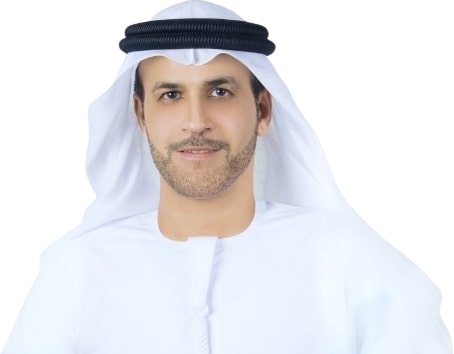
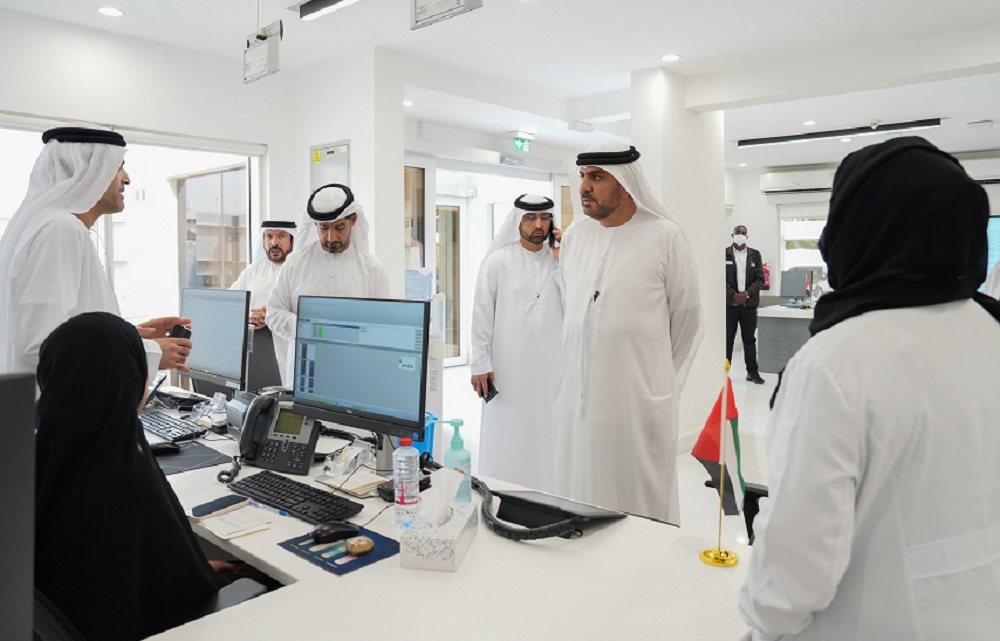
The results were spotlighted during a visit to the facilities by His Excellency Dr. Mohammed Salim Al Olama, Chairman of the Board of Directors of EHS, accompanied by EHS Director-General H.E. Dr. Yousif Mohamed AlSerkal, and H.E. Dr. Essam Al Zarooni, Executive Director of the Medical Services Sector at EHS.
H.E. Dr. Al Olama affirmed that this growth reflects EHS’s success in reshaping healthcare delivery to be more integrated and responsive to community needs. “By expanding specialised services across hospitals and primary care centres and integrating them into an advanced preventive framework, we are improving quality of life, enhancing community health, and reducing the need for referrals across healthcare services at all levels,” he explained.
Specialised Services Drive Growth and Enhance Efficiency
The expansion of specialised care has been a key growth driver. In 2025, Al Kuwait Hospital Dubai’s specialised clinics received over 37,000 visits – a 69% increase from 2022 – supported by advanced services, including a Diabetes Centre of Excellence and the hospital’s designation as a referral centre for Ear, Nose, and Throat (ENT) care.
The hospital performs complex procedures such as cochlear implants and eardrum repair using advanced technologies, including plasma therapy, which reduces pain, bleeding, and recovery time while improving outcomes. It has also developed an integrated bariatric surgery model that consolidates all medical assessments into a single visit of 2-3 hours, supported by a multidisciplinary team and a unified electronic health record for accurate, real-time health reviews, which serves to enhance coordination and clinical decision-making.
Meanwhile, Dubai Specialised Dental Centre continues to strengthen its position as a leading dental care reference centre, offering an integrated system across nine major dental specialties, including orthodontics, paediatric dentistry, periodontics, endodontics, prosthodontics, and oral surgery. It has also introduced innovative services such as home dental care and enhanced digital capabilities through intraoral scanners and digitised procedures to improve service efficiency.
The centre recently underwent a comprehensive maintenance and modernisation process using sustainable materials, achieved Canadian Diamond-level accreditation, and was qualified to offer a dental residency programme – all of which forms part of EHS’s commitment to expand access to specialised care in line with the highest global standards.
Primary Care: Expanded Specialties and Strengthened Prevention
At the primary care level, EHS centres offer an advanced model blending comprehensiveness with specialisation. Al Ittihad Health Centre provides around 20 services – including 10 digital offerings – covering all age groups and both genders. Services span family medicine, child and adolescent health, school health, specialised dental care (including orthodontics), mental health, general radiology, urgent care, and more.
Capacity Building and Scientific Research: Pillars of Sustainable Development
Al Kuwait Hospital Dubai continues to solidify its role as an advanced healthcare and scientific research hub, with notable achievements including 113 published research studies and 49 scientific papers, in addition to having the highest Hirsch index score – a measure of research impact – in its network.
The hospital also contributes to national capacity building by training university students and medical residents, reinforcing integration between education and healthcare practice.
International Accreditations and Awards Reflect Institutional Excellence
Al Kuwait Hospital Dubai’s commitment to the highest quality standards is demonstrated through its wide range of international accreditations, including a Healthcare Information and Management Systems Society (HIMSS) Accreditation and a Hazard Analysis and Critical Control Points (HACCP) certification for food safety, in addition to ISO certifications in quality, sustainability, information security, business continuity, and risk management. The hospital has also earned a CARF (Commission on Accreditation of Rehabilitation Facilities) accreditation for rehabilitation and a CCPC Level 2 accreditation for diabetes care.
Furthermore, the facility has won prestigious regional awards, such as the Diamond Award for Patient Safety from the Arab Hospitals Federation in 2024, and a Gold-Level Certification for Patient-Centred Care and Community Engagement in 2025 for its ‘Patient Voice in the Year of Community’ project, which reflected its dedication to involving customers in its healthcare development efforts.
Field Visit Showcases System Maturity and Future Directions
Concluding the visit, H.E. Dr. Al Olama commended EHS’s rapid and meaningful progress. “This integration of specialised care, preventive services, advanced technology, and scientific research embodies an evolved healthcare model,” he said. “It reflects EHS’s commitment to delivering high-quality, community-focused services aligned with global best practices.”
His Excellency recommended pursuing further expansion in specialised services, strengthening integration between primary and hospital care, and accelerating the adoption of digital and AI solutions to enhance healthcare proactivity and quality of life. He emphasised that the next phase would focus on shifting from service quality to ‘leading the health experience’ through innovative, customer-centric models, re-imagining healthcare as an ecosystem built on more comprehensive and sustainable foundations.