Emirates Health Services Launches Orthognathic Surgery Training Course to Advance Integrated Clinical Excellence
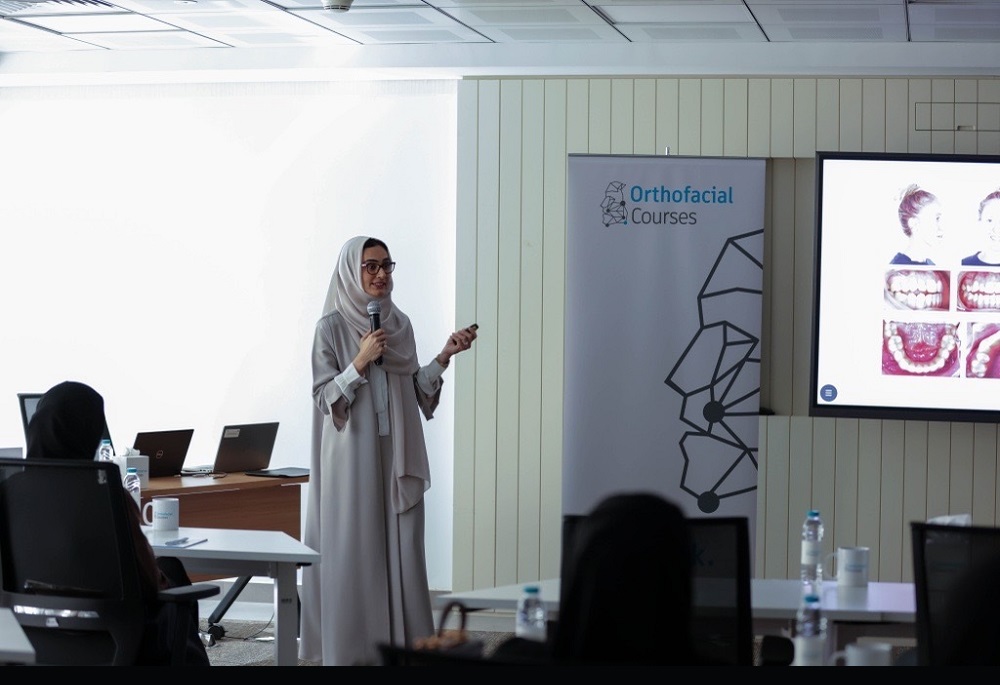
Emirates Health Services (EHS) has launched a specialized Orthognathic Surgery Training Course at its Training and Development Center in Sharjah. The course convened a distinguished group of doctors, consultants, and specialists in orthodontics and oral & maxillofacial surgery from leading health and academic institutions across the UAE. This initiative underscores EHS's commitment to fostering multidisciplinary integration and elevating clinical practices to the highest global standards, aligning with its strategic vision of proactive, human-centric healthcare.
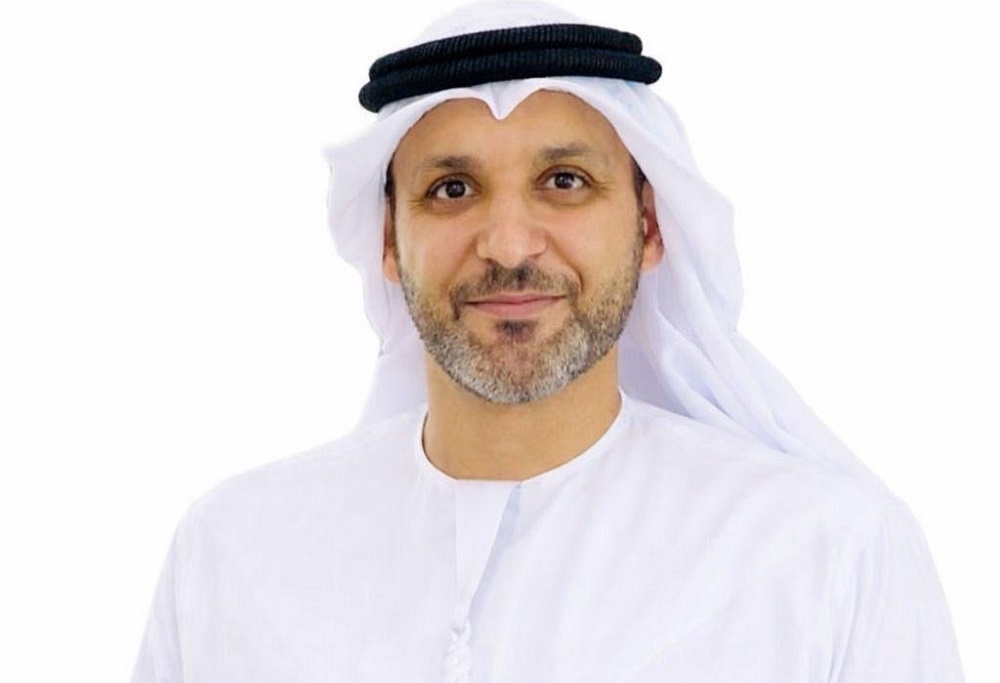
Dr. Salem Al Kaabi, Consultant Oral and Maxillofacial Surgeon at Emirates Health Services, emphasized the program's strategic importance: "Launching this course reflects our focus on developing specialized competencies and strengthening collaborative, multidisciplinary work. Orthognathic surgery represents the pinnacle of integration between surgical and orthodontic disciplines, directly enhancing diagnostic precision and treatment outcomes for complex cases, improving both patient health and quality of life."
Echoing this integrated approach, Dr. Amira Al Yammahi, Orthodontics Specialist at Fujairah Specialized Dental Center, noted: "These training programs serve as a vital platform for unifying treatment protocols between orthodontists and surgeons. By building a shared understanding of treatment planning and optimal surgical timing, we can achieve more precise, sustainable functional and aesthetic results for patients, particularly in complex malocclusion cases."
The course is part of EHS's ongoing investment in medical education and alignment with international best practices. It attracted wide participation from orthodontists, surgeons, and specialists, creating a dynamic environment for professional exchange and cross-disciplinary collaboration.
The curriculum emphasized the synergy between orthodontics and maxillofacial surgery in managing complex cases. It featured the latest evidence-based diagnostic tools, treatment planning, case selection criteria, outcome assessment, and management of complications—all within a comprehensive, patient-centered framework.
Interactive workshops and lectures covered surgical case evaluation, modern techniques, the orthodontist's role in Class II and III malocclusions, and comparative treatment methodologies—including the "surgery-first" approach, which can reduce overall treatment time.
The course concluded by highlighting the importance of sustaining such specialized training to develop national medical competencies, promote knowledge sharing, and embed best clinical practices—ultimately enhancing the quality and integration of healthcare services across the UAE.