Emirates Health Services Youth Council Organizes “Future Leaders Council”
The Emirates Health Services (EHS) Youth Council organized the second meeting of the “Future Leaders Council,” attended by EHS leadership and a selection of young professionals. This initiative is part of EHS’s ongoing efforts to empower youth and enhance their participation in shaping future visions for the health sector, aligning with the UAE’s national direction to invest in young talent and prepare future leaders.
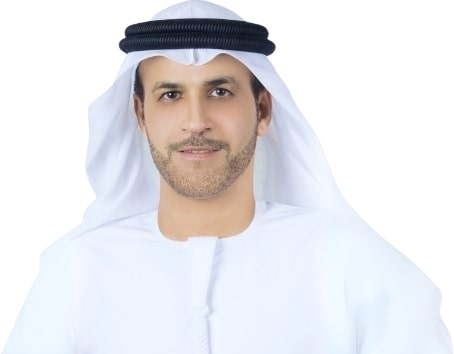
H.E. Dr. Yousif Mohamed AlSerkal, Director-General of Emirates Health Services, emphasized that youth empowerment is a strategic pillar in the development of the health system. He noted that EHS is committed to providing interactive platforms that enable young people to participate actively in sharing ideas and envisioning the future of healthcare services. He added that investing in young competencies and enhancing their leadership and cognitive capabilities contributes to building a more sustainable health system and strengthens EHS’s readiness to keep pace with rapid transformations in the health sector, particularly in digital transformation and innovation.
His Excellency urged young professionals to adopt a proactive approach based on initiative and innovation, and to optimally utilize available training opportunities to translate knowledge into practical solutions that contribute to the development of healthcare services. He stressed the importance of keeping pace with technological developments and employing them effectively, as well as enhancing teamwork, to solidify their role as genuine partners in shaping the future of the nation’s health sector.
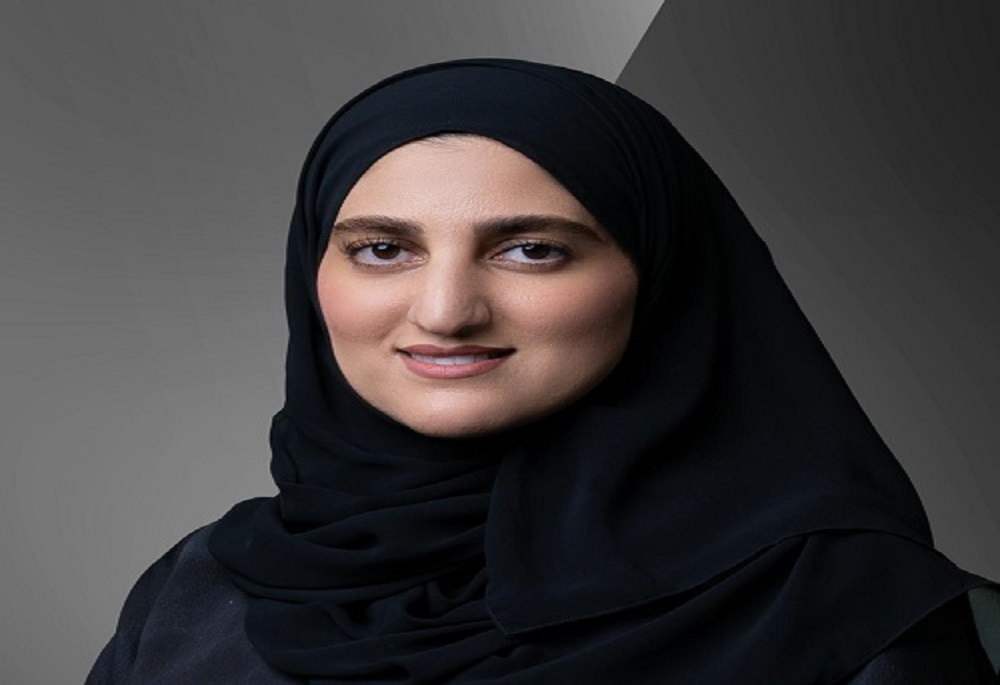
For her part, Amna Al Hammadi, President of the EHS Youth Council, affirmed that the “Future Leaders Council” initiative constitutes a vital platform for enhancing direct dialogue between leadership and youth within EHS. This allows for the presentation of ideas and visions and the launch of youth-led development initiatives. She explained that the Council helps institutionalize a culture of participation and motivates young talents to innovate and take initiative, thereby strengthening their role as active partners in the journey of developing healthcare services and achieving EHS’s strategic objectives.
The Council’s program included a number of interactive segments focusing on youth empowerment and enhancing their role in institutional development. It featured a presentation on the key achievements of the EHS Youth Council during 2025, alongside the launch of a new package of innovative projects under the "Youth+" initiative, which represents a comprehensive strategic framework for empowering youth, developing their capabilities, and enhancing their participation in the institutional development journey. The program also included a session titled "Youth Voice," which provided young professionals with the opportunity to express their vision for the future of EHS by proposing innovative ideas about the future of healthcare services.
Another segment highlighted the Knowledge Sharing pillar, which aims to promote a culture of exchanging expertise among youth within EHS. This is achieved by enabling participants in training programs, specialized workshops, and development initiatives to share the skills they have acquired with their colleagues and work on converting gained knowledge into practical applications that support the work environment and embed a culture of continuous learning.
The Council placed particular emphasis on the themes of leadership and digital transformation as core pillars in preparing young leaders capable of meeting future requirements. These discussions enhance interactive dialogue between youth and EHS leadership, motivating them to benefit from training opportunities and apply their outcomes to support continuous innovation and development.
This initiative is part of Emirates Health Services' efforts to enhance youth participation in shaping the future by providing an interactive platform to discuss ideas and developmental visions. This contributes to building an institutional system based on innovation and continuous learning, strengthens EHS’s readiness for future requirements, and aligns with the wise leadership’s aspirations to empower youth and solidify their role as partners in decision-making.